
Emotion in Editing

Editing is not just about piecing shots together—it’s about making you feel. Think about the last time a film truly moved you. Was it a dramatic pause? A lingering close-up? A sudden cut that shattered your expectations? The magic of editing is in its ability to manipulate time and emotion.
Let’s talk about 96 (2018).
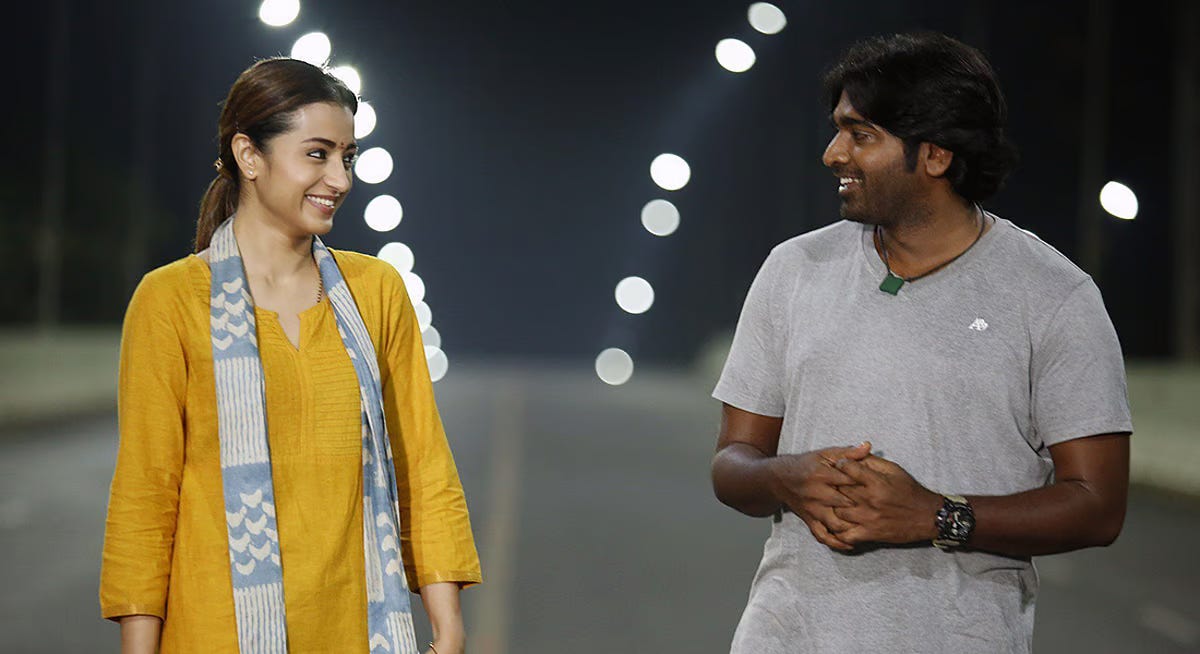
The film is drenched in nostalgia, but it’s the editing that makes you feel it in your bones. Take the reunion scene between Ram and Jaanu. The film doesn’t rush through their emotions—it lingers. The cuts are slow, deliberate, letting the weight of their past settle in. Silence plays a crucial role. Sometimes, the most powerful edit is the decision not to cut. The pauses between words, the unspoken glances—editing allows us to experience their longing in real-time.
Now compare that to Aaranya Kaandam (2010)
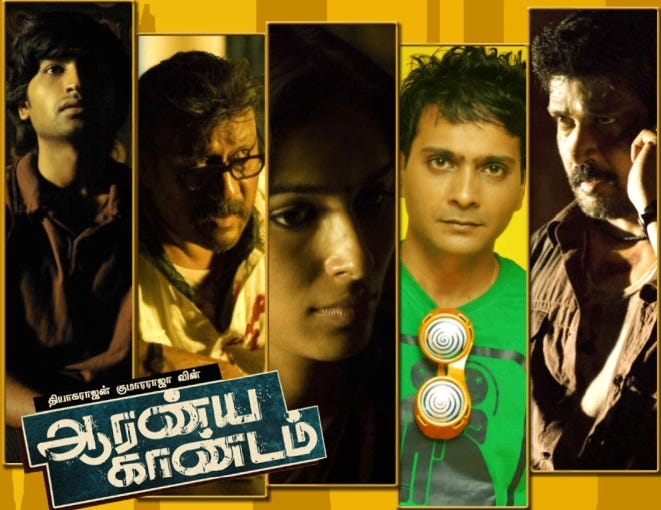
, a film that thrives on tension and unpredictability. The cuts here are razor-sharp, designed to keep you on edge. Watch how a simple stare-down is stretched, the edits slicing through perspectives, creating a rhythm of unease. While 96 uses editing to embrace nostalgia, Aaranya Kaandam uses it to build pressure, making every second feel dangerous.
That’s the beauty of editing—it can slow time down or speed it up, depending on what the story needs. The best editors don’t just cut—they feel the scene. Walter Murch,
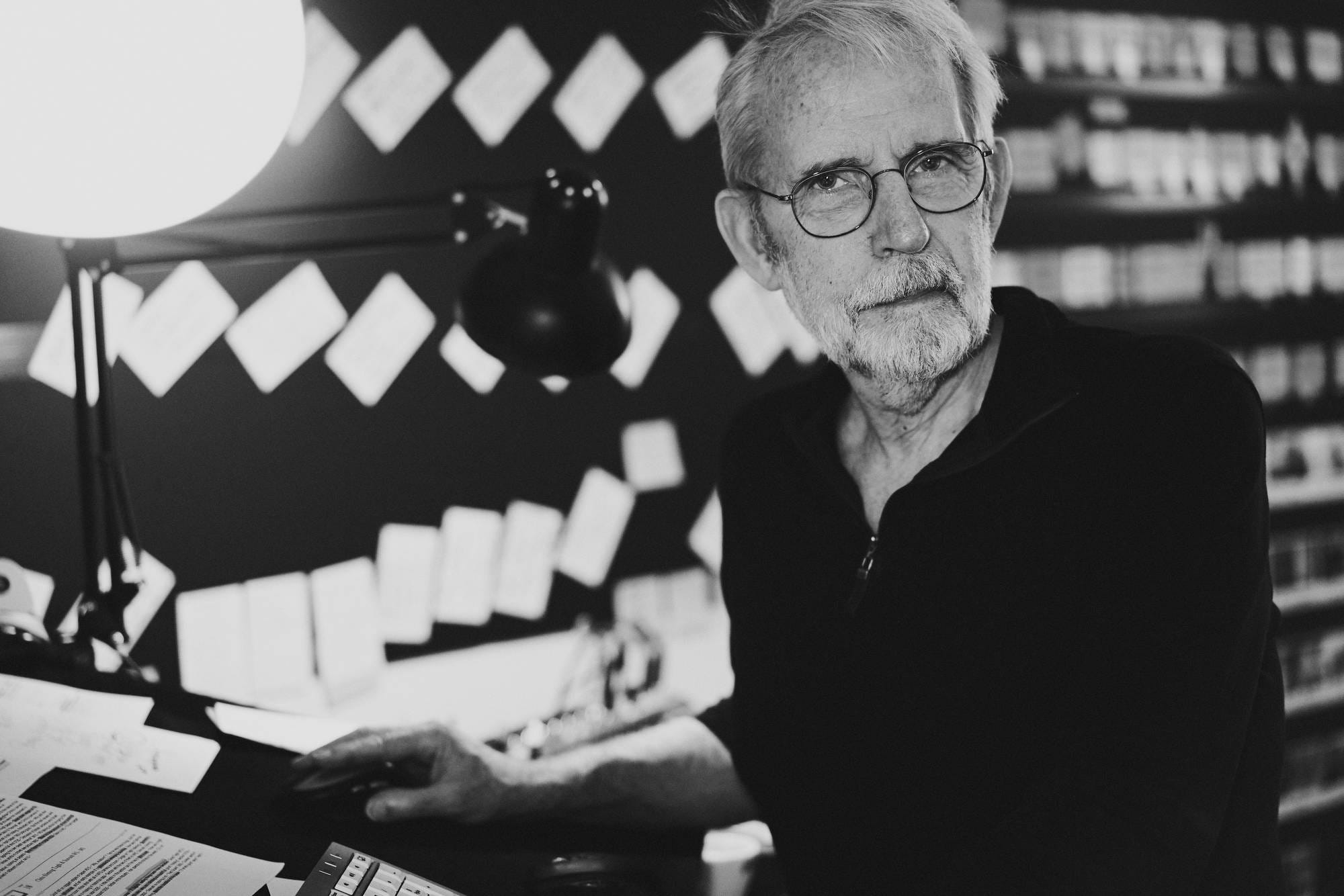
legendary editor of Apocalypse Now, once said that a good edit isn’t just technical, it’s emotional. “If the audience can feel the cut but not see it, that’s when you know you’ve done it right.”
Here’s something for you to try: Take a happy scene—maybe someone receiving good news—and re-edit it to feel tragic. Slow it down. Hold on certain expressions. Add pauses. See how the emotional impact shifts just by changing the rhythm of your cuts.
Editing isn’t just storytelling—it’s time travel, it’s emotion control. And when it’s done right, it’s invisible yet unforgettable.
Until next time, keep feeling every frame.